Europe without the airport. Change here.
Each coloured line is one overland journey, by train and now and then by ferry. Each ring is a place where journeys meet; open it and the change is explained.
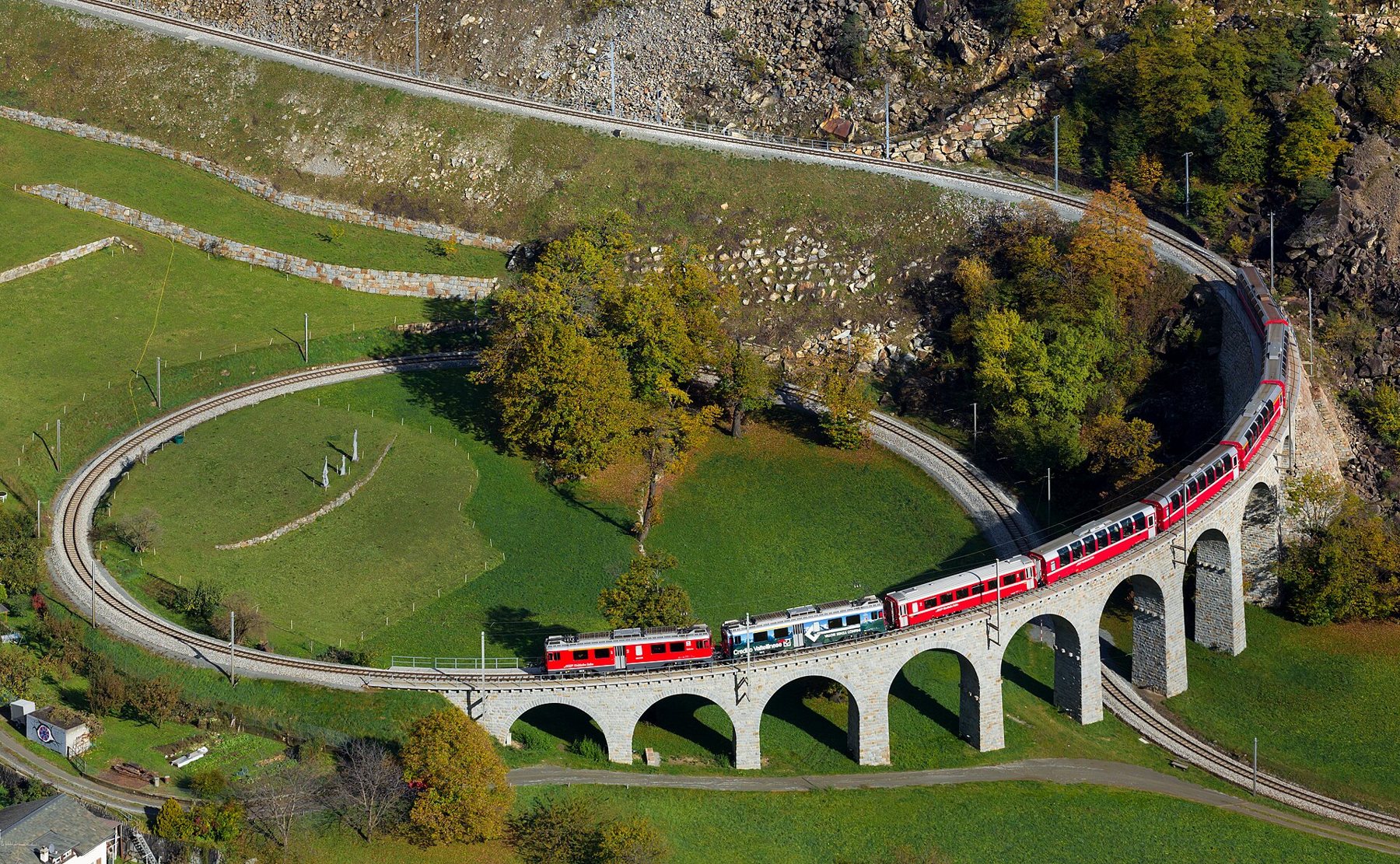
Milan to St. Moritz, over the Bernina
Line B leaves Milan by regional train, follows Lake Como and the Valtellina to Tirano, and then climbs on narrow gauge past glaciers to the Engadine. One change, one border, a long day of windows.
- MilanRegional trains to Tirano leave from the main station
- Lake Como, east shoreThe line runs along the water for a stretch
- Tirano · changeWalk across the square; the two stations sit side by side
- BrusioThe circular viaduct, best seen from the right-hand windows going up
- St. MoritzEnd of the line, high in the Engadine valley
i
Photo by Kabelleger / David Gubler · CC BY 3.0
The other lines
Times are rough and change with the timetable; each journey page says where the changes are and how long to leave for them.
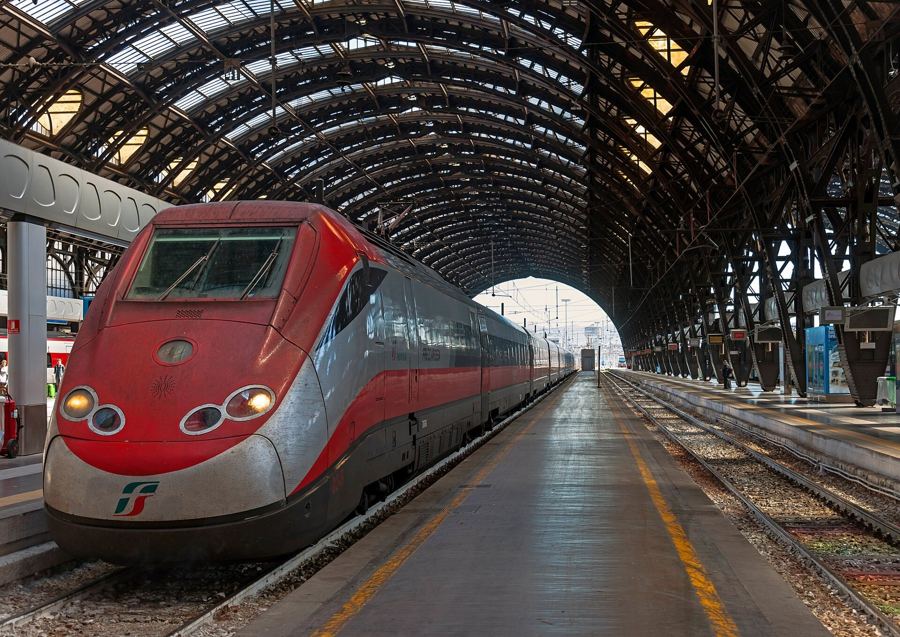
Zürich to Milan, under the Gotthard
Line A runs south from the Limmat to Lombardy in about three and a half hours, most of it through one mountain rather than over it. The old line is still there for those with time.
i
Photo by Daniel Case · CC BY-SA 3.0
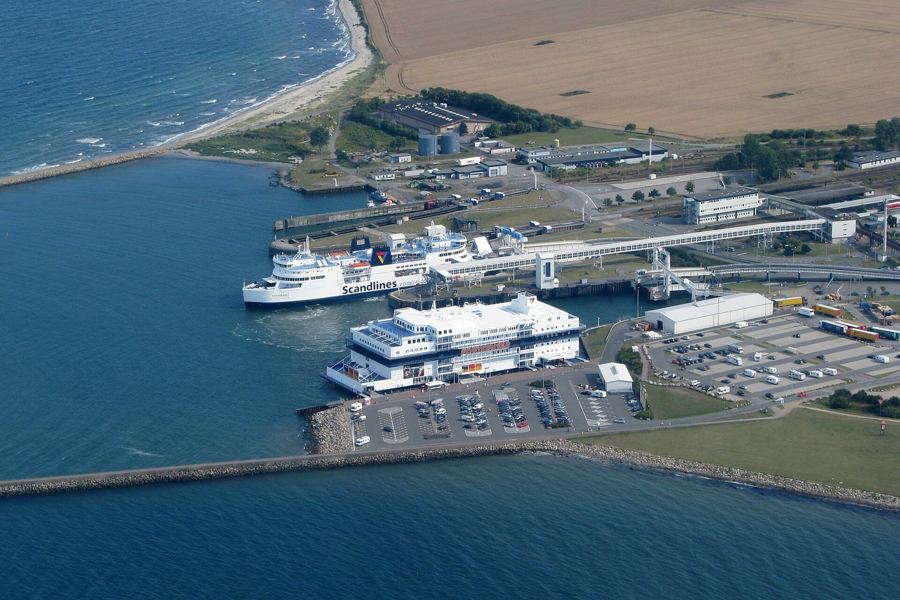
Amsterdam to Copenhagen, with or without the sea
Line C crosses the north German plain to Hamburg, then turns north to Denmark by bridge and belt. The sea route across Fehmarn is in flux while the tunnel is built; check before you plan around it.
i
Photo by Frierock · CC BY-SA 3.0
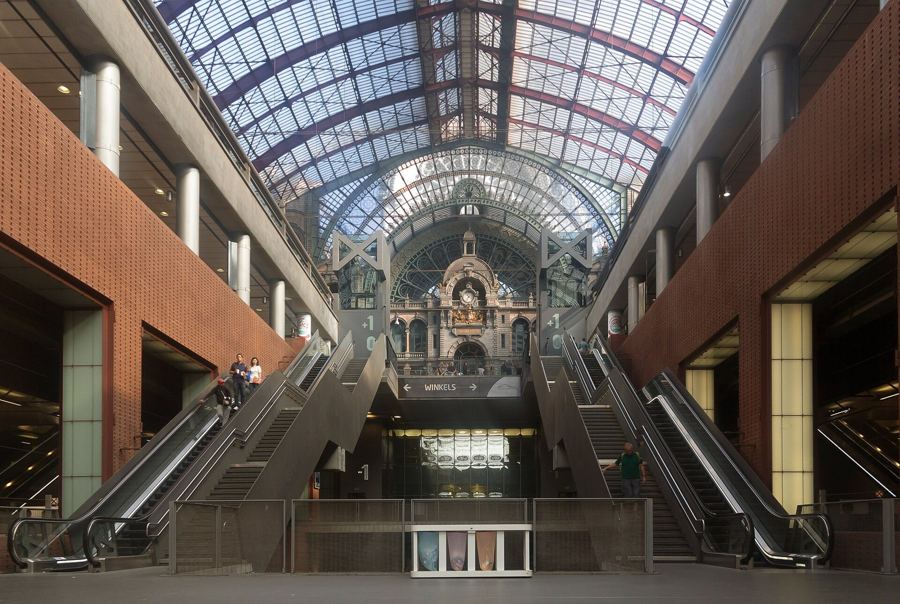
Paris to Amsterdam, with a stop in Antwerp
Line D links two capitals in roughly three and a half hours on one fast train. Stepping off halfway, in one of Europe's grandest stations, costs a little planning and repays it.
i
Photo by Michielverbeek · CC BY-SA 4.0
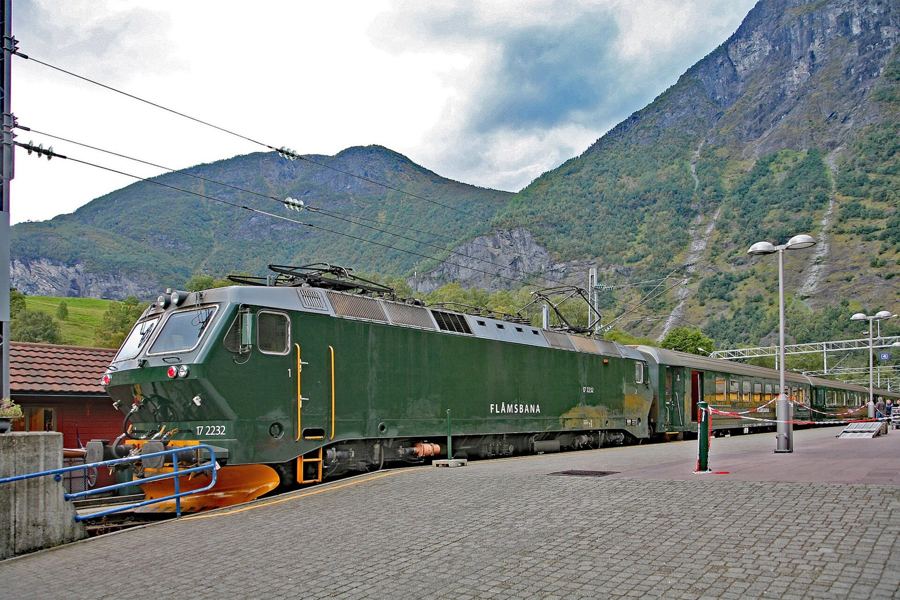
Copenhagen to Flåm: two capitals and a fjord
Line E crosses a strait, follows a coast, climbs onto a mountain plateau and drops to the sea again. Two days, three countries, and the most varied windows on this map.
i
Photo by W. Bulach · CC BY-SA 4.0
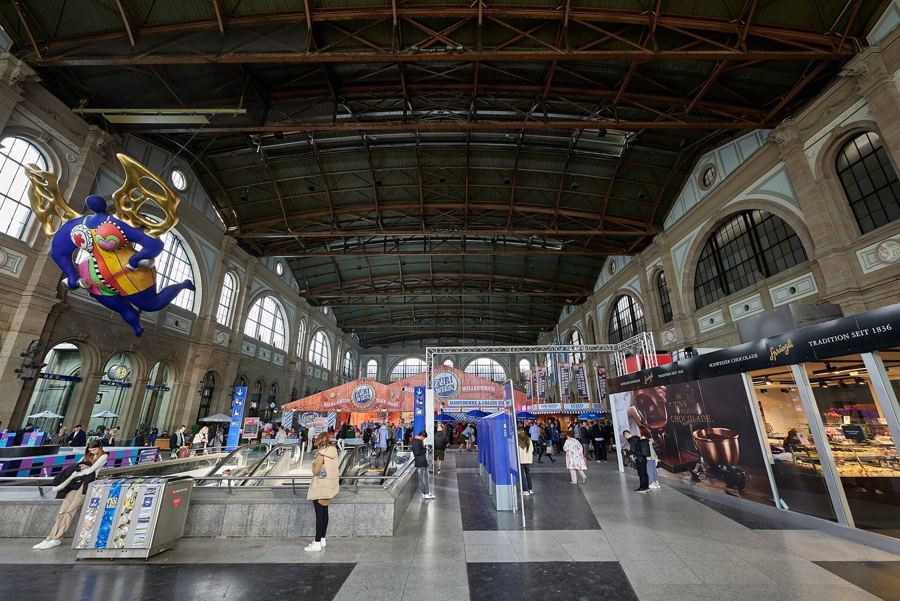
Paris to Zürich through Basel
Line F leaves the most ornate station in Paris, crosses Burgundy and the Franche-Comté at speed, and enters Switzerland at Basel. A little over four hours, mostly through quiet, rolling country.
i
Photo by Leonhard Lenz · CC0
Rings and crossings
- Basel: one city, three railwaysInterchanges
- Changing trains at Hamburg HauptbahnhofInterchanges
- Tirano: two stations, one squareInterchanges
- Myrdal: a change on the high plateauInterchanges
- Milano Centrale, the station as a destinationInterchanges
- The Fehmarn Belt: a short sea crossing, for nowSea crossings
- London to the Netherlands by rail and seaSea crossings
How the changes work
Leave a margin
On a through ticket a missed connection is usually the railway’s problem; on separate tickets it is yours. Which is which, journey by journey.
Ferries keep their own clock
Check-in closes before departure, and the timetable thins out in winter. Treat a crossing as its own leg.
Mountain lines run slow
Narrow-gauge and scenic lines are part of the trip, not the fast bit. Plan them in daylight, with your bags close.