The Fehmarn Belt: a short sea crossing, for now
For sixty years the quickest way from Hamburg to Copenhagen included a ferry. The trains no longer sail, a tunnel is taking shape under the water, and the crossing is in between.
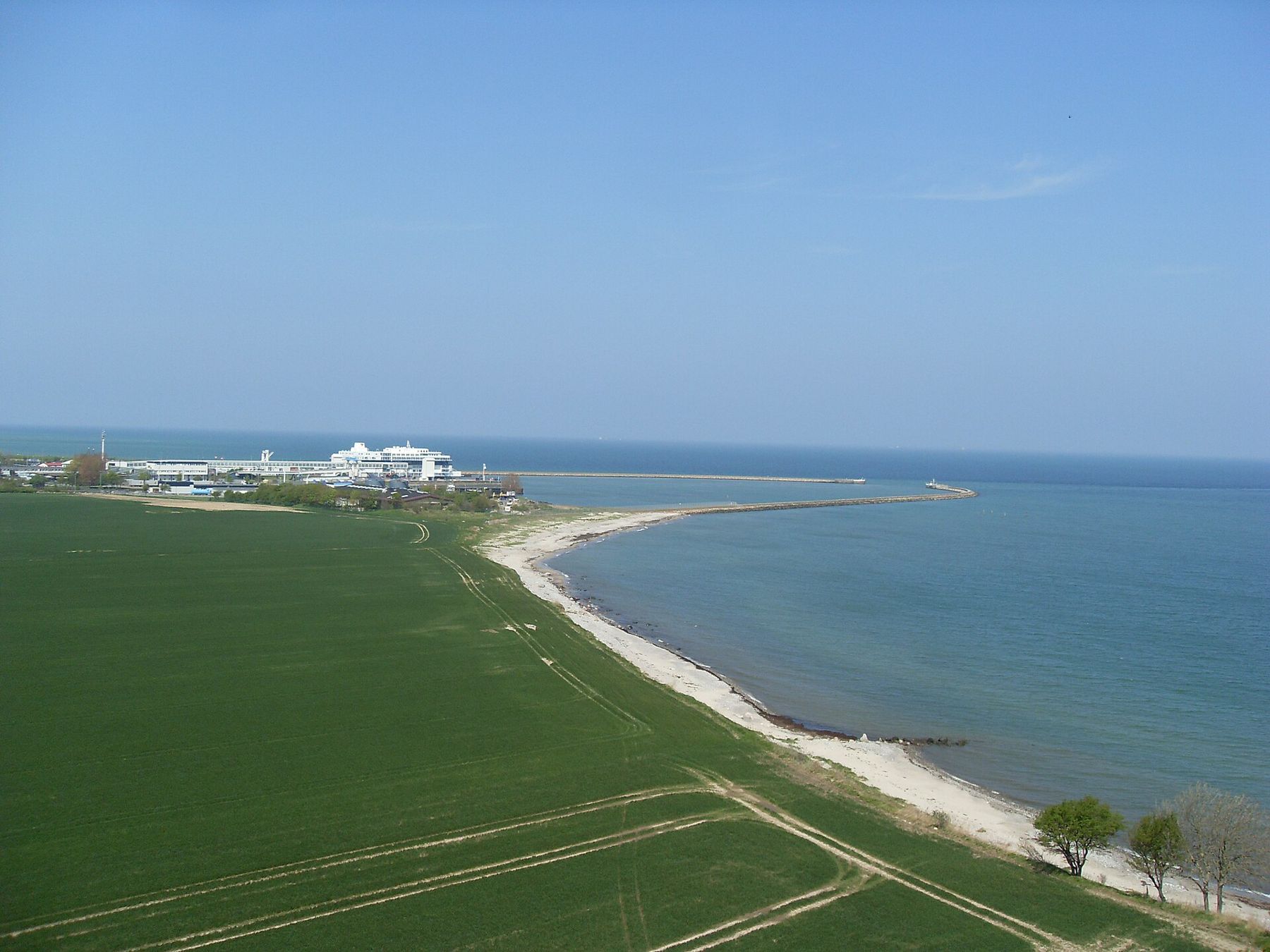
i
Photo by Wusel007 · CC BY-SA 3.0
The Fehmarn Belt is the strait between the German island of Fehmarn and the Danish island of Lolland, in the western Baltic. It is not wide. The ferry from Puttgarden on Fehmarn to Rødby on Lolland takes well under an hour, and on a clear day the far coast is often in sight. For decades this was the direct route from Hamburg to Copenhagen, the line the Germans call the Vogelfluglinie, the bird-flight line, because it follows roughly the path of migrating birds between Scandinavia and central Europe.
When the trains went to sea
The route opened in 1963, with a new bridge across the narrow Fehmarnsund to the island and ferries across the wider belt. For more than half a century, through trains between Hamburg and Copenhagen ran straight onto the ferries. At Puttgarden the carriages rolled onto rails laid in the ship's car deck, the doors closed behind them, and the train went to sea. Passengers left their seats during the crossing and went up to the passenger decks, then came back down to the train before it rolled off on the other side.
It was one of the few places in Europe where this still happened, and for many travellers it was the best part of the journey. Then, at the end of 2019, the train ferries stopped. The through trains between Hamburg and Copenhagen were sent the long way round, north through Jutland and across the Danish islands by bridge, while work on the fixed link and the new lines leading to it got under way.
A tunnel under the belt
The fixed link under construction across the belt is an immersed tunnel: large concrete sections built on land, floated out, and sunk into a trench dug in the seabed, then joined end to end. When it is finished it will carry a motorway and a double-track electrified railway between Fehmarn and Lolland.
Building it means rebuilding the lines on both sides as well. On the German side, the railway north from Lübeck towards Fehmarn is being upgraded and partly rebuilt, and the old bridge over the Fehmarnsund, a steel arch that has become a local landmark, is not part of the long-term plan for the railway. On the Danish side, the line across Lolland and Falster and on towards Copenhagen has been rebuilt and electrified in stages. While all this happens, the train services on the approaches change from year to year, with closures, replacement buses and new routings.
Opening dates for the tunnel have moved before and may move again. This guide does not give one. When the railway through it opens, the train journey from Hamburg to Copenhagen is expected to be much shorter than the detour through Jutland, and the ferry will no longer be the obvious way across.
Change here forLondon to the Netherlands by rail and seaMost of a day, or overnightCrossing on foot today
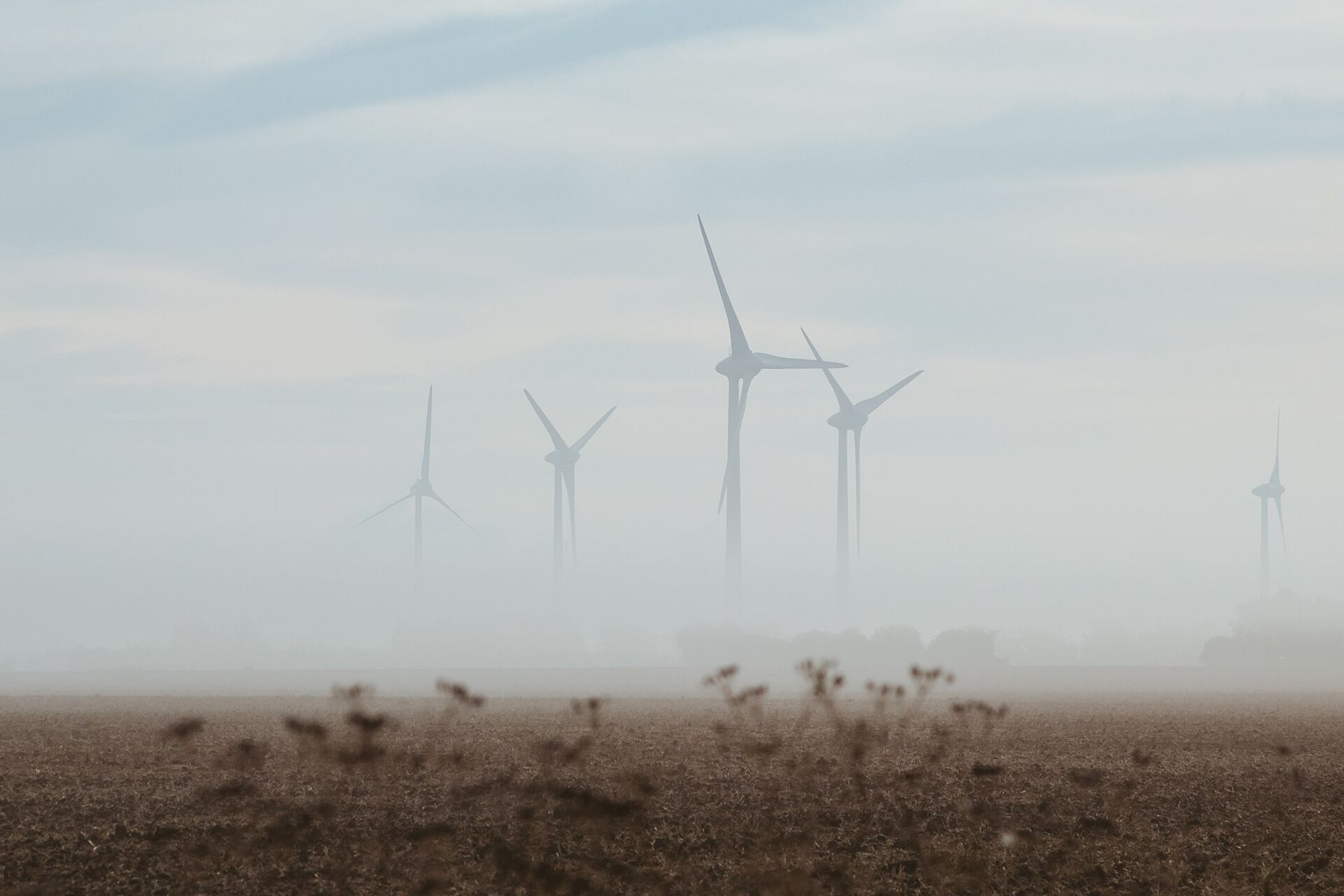
For now, the ferries still sail between Puttgarden and Rødby, frequently and through most of the day, and they still carry foot passengers. The crossing itself is easy. You walk on, find a seat or a window on the open deck, and walk off on the other side a little under an hour later. The ships have places to sit, eat and wait, and the views are of open water, wind turbines on the shore, and the low green coasts of the two islands.
The hard part is reaching the ports. Rail services to the ferry terminals on both sides have been cut back, interrupted or replaced by buses at various times during the construction work, and the arrangements change. Before you plan a journey over the belt, check the current timetables of the German and Danish railways for Fehmarn and Lolland, and look for replacement buses as well as trains. Long-distance coaches between Hamburg and Copenhagen also use the ferry, and for some travellers they are the simplest way across while the rail approaches are rebuilt.
i
Photo by Superbass · CC BY-SA 4.0
The way round by Jutland
The alternative is the land route. Trains from Hamburg run north to Flensburg and over the Danish border, then across Jutland to Fredericia, over the Little Belt and the Great Belt by bridge, and on across Zealand to Copenhagen. It is longer in kilometres, but it is all rail, often with a direct train or a single change, and it avoids the uncertainty of the construction zone. It is described in Amsterdam to Copenhagen, which covers both routes and the choice between them.
Which route to choose depends on what the timetables offer on your day, how much you care about seeing the sea, and how willing you are to piece together trains, buses and a ferry on separate tickets. If your journey includes a ferry leg, read through tickets and missed connections: a ticket that covers only part of the route protects you only for that part.
What changes when the tunnel opens
When the fixed link opens to trains, the whole journey between Hamburg and Copenhagen should become an ordinary through train ride, faster than either current option. The ferries may continue in some form for cars and freight, but the crossing that defined this route for sixty years will no longer be the obvious way for rail travellers. If you want to see the belt from the deck of a ship, the years of construction are the time to do it.
Wind, borders and missed sailings
- Germany and Denmark are both in the Schengen area, but Denmark has carried out border checks at its southern border at times. Carry your passport or identity card.
- Weather on the belt can be windy and cold even in summer. Bring a layer for the open deck.
- Allow for delays on the approaches. A bus or train that arrives after a sailing has left means waiting for the next one.
- Check, close to the date, how your route crosses the belt or goes round it. It has changed several times and will change again.