Through tickets, separate tickets and missed connections
A long rail journey across Europe is a chain of trains. How you buy the links decides what happens when one of them breaks, and how calmly you take the next train.
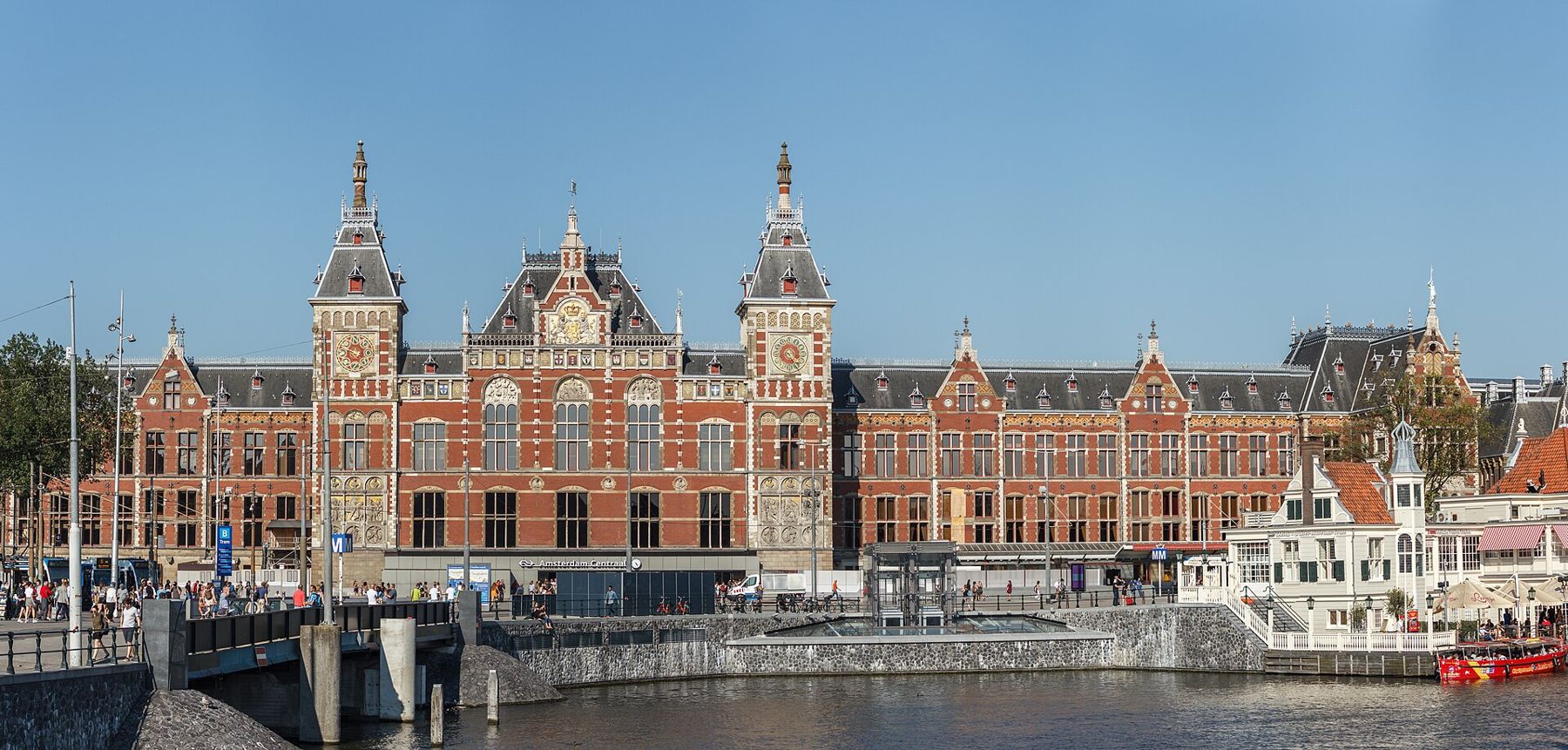
i
Photo by Slaunger · CC BY-SA 4.0
Every journey on this site involves at least one change of train, and most involve several. Whether a late first train is a nuisance or a real problem depends mostly on one thing you decide before you leave home: whether the whole journey is on one ticket, or on several. This guide explains the difference in general terms, how to plan the gaps between trains, and what to do on the day if a connection goes wrong.
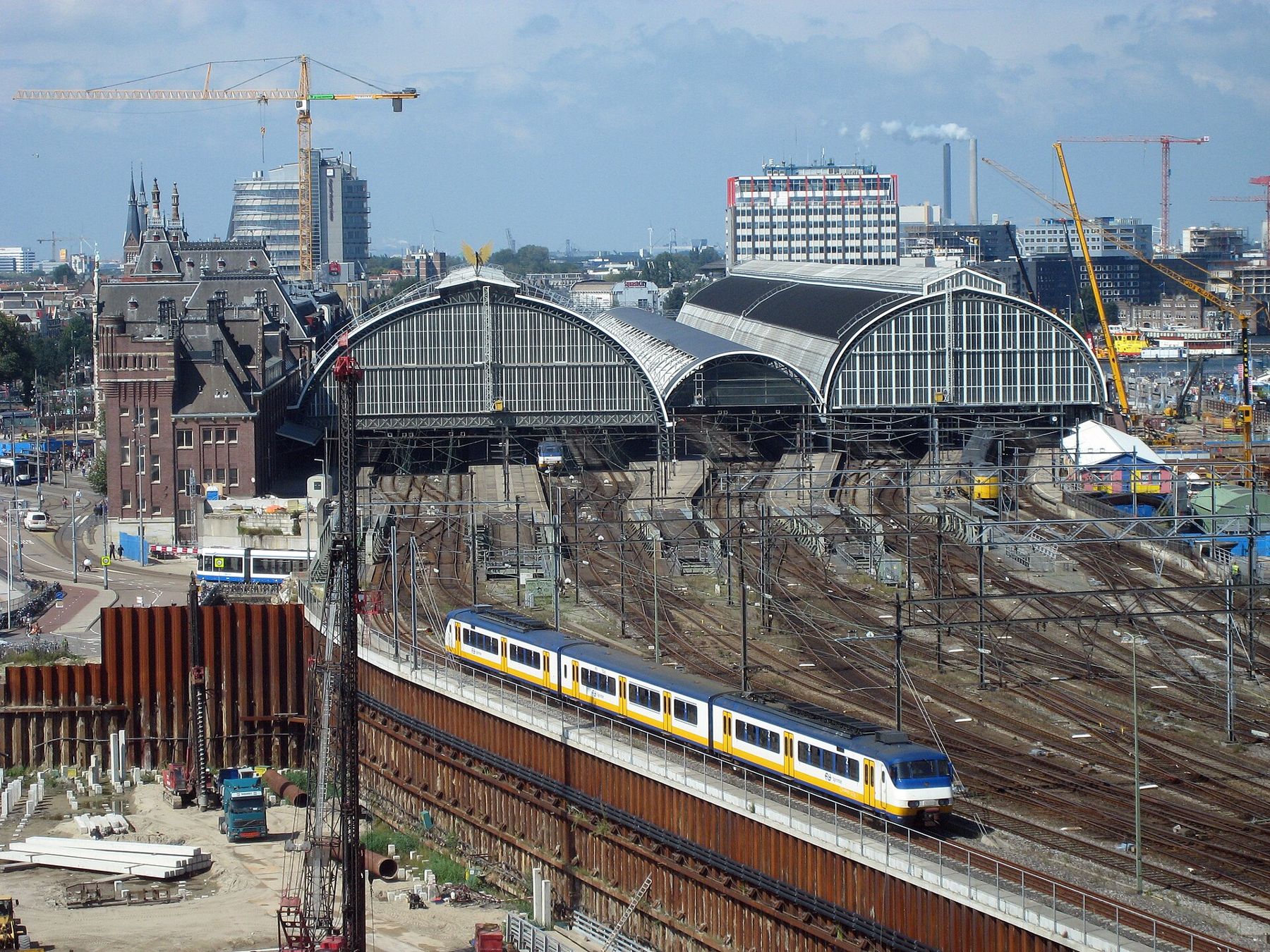
i
Photo by S Sepp · CC BY-SA 3.0
What a through ticket actually is
A through ticket covers a journey from one place to another, including changes of train, under a single contract. It may be printed as one document or several, but it is sold as one booking and the connections are part of what you have bought. If a delay on the first train makes you miss the second, the railway that sold the ticket accepts that you are still on your journey, and you are normally allowed to take the next suitable train to your destination without buying a new ticket.
Separate tickets are just that: separate. If you buy Paris to Basel from one railway and Basel to Zürich from another, each ticket is a contract on its own. When the first train is late and you miss the second, the second railway owes you nothing, because as far as its ticket is concerned you simply did not turn up. Depending on the fare, you may have to buy a new ticket at the station.
The difference is not always obvious at the point of sale. Some booking systems sell several separate tickets in one transaction, and the result can look like a single journey. Read the terms before you pay, and look for a statement that the connections are protected.
Passenger rights inside the EU, in outline
Within the European Union, rail passengers have a common set of rights, revised in recent years. In general terms, when a significant delay is expected, railways must offer you a choice of a refund or continuing your journey by another route, give you information about the disruption, and provide assistance such as refreshments and, if you are stranded overnight, accommodation where that is possible. For long delays at your destination, you can usually claim partial compensation based on the fare. Exceptional circumstances outside the railway's control, such as severe weather, can limit what is owed.
These rights are strongest on a through ticket, because the railway is responsible for the whole journey it sold. Details vary, and the rules for claiming differ from railway to railway, so check what applies to your ticket.
Not every country on these routes is in the EU. Switzerland, Norway and the United Kingdom each have their own rules, which are similar in spirit but different in detail. A journey from Milan to St. Moritz, or from Oslo to Flåm, or from London to the Hook of Holland, is not covered by EU rail rules all the way.
Change here forLuggage, seats and the walk between platformsVaries with each journeyHow long to leave between trains
Railways set minimum connection times for each station, and a journey planner will not normally offer a through ticket with a change shorter than that. The minimum is not the same as comfortable. A few rules of thumb:
- At a big international station, half an hour is a sensible floor on a through ticket. On separate tickets, an hour is wiser.
- At a change between separate railways or separate stations, such as the two stations at Tirano, add time for the walk and for buying the next ticket.
- Leave a much wider margin for the last connection of the day, or for a branch line with few trains, such as the change at Myrdal. Missing it can mean a night you did not plan.
- In winter, on mountain lines and over long international legs, expect delays to build through the day.
A long gap is not wasted time. At stations like Milano Centrale or Zürich, an hour between trains is enough to see something of the building and the streets outside.
Reservations on international trains
Reservation rules vary widely. Many high-speed trains are fully reserved and you cannot board without a seat booking, which is often included in the ticket price. Many other long-distance trains, especially in Germany and Switzerland, carry reservations as an optional extra: you can sit in any free seat, but a reserved seat is only yours for the stretch shown on the display or label. Some panoramic and scenic trains require a reservation even if your ticket or pass is otherwise valid.
If you travel on a rail pass, assume that reservation fees are charged separately, and that seats on popular trains can sell out. The rules change, so check them through the national railway's journey planner for each train before you travel.
On the day: when a connection breaks
If it becomes clear that you will miss a connection, act early:
- Ask the train staff, before you arrive, whether your connection will wait or what the next option is. On some routes they can tell you.
- At the station, go to the ticket office or travel centre and ask for the delay or missed connection to be confirmed on your ticket, or for a document showing it. This makes later claims much easier.
- On a through ticket, ask which later train you may take. On separate tickets, ask anyway: some railways have agreements between them that let you continue on the next train after a delay, even on separate tickets.
- Keep receipts for meals, a hotel or a taxi if you are stranded, and make your claim afterwards to the railway that sold the ticket.
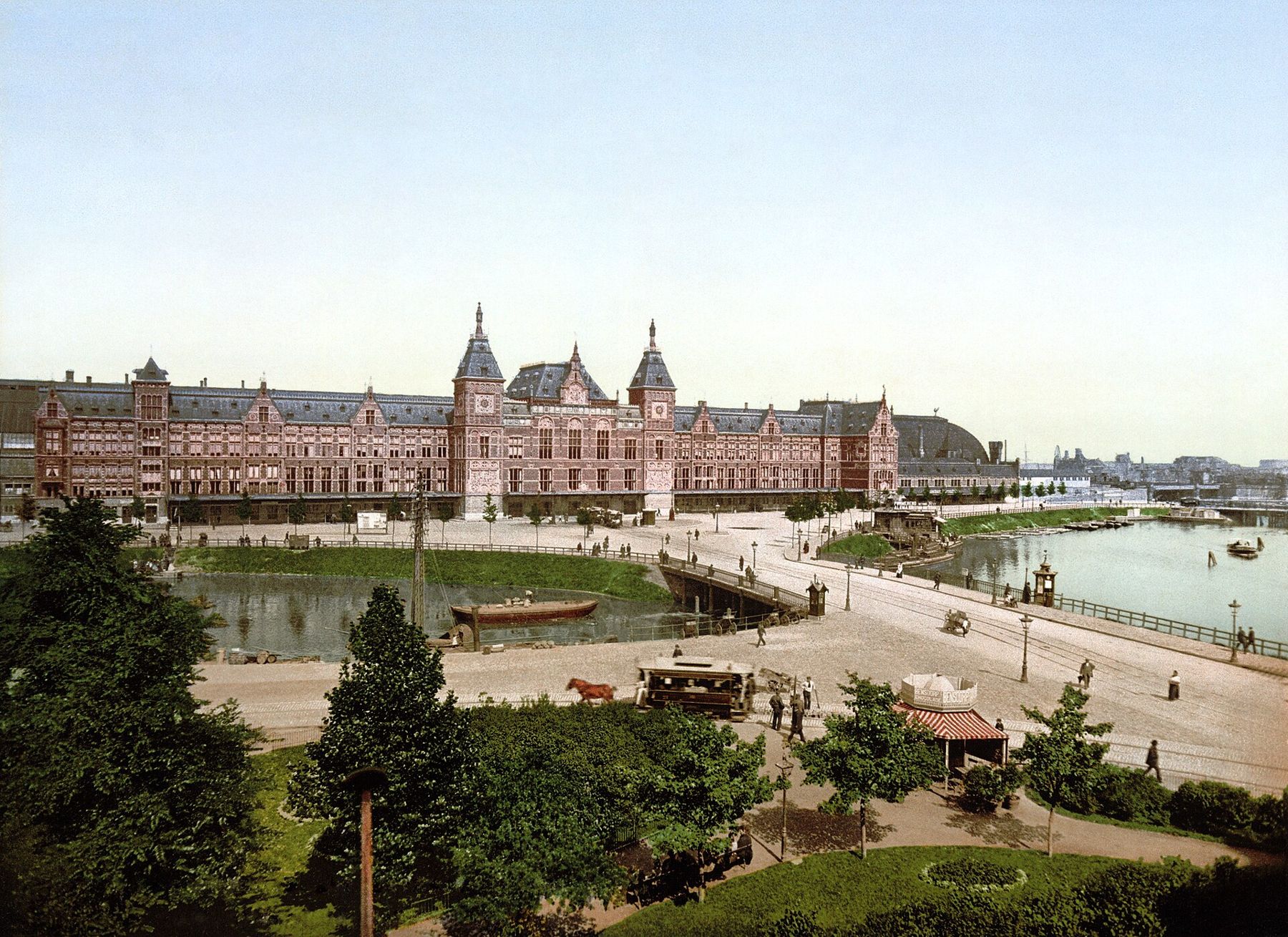
i
Photo by Unknown author Unknown author · Public domain

Choosing how to buy the journey
When you can, buy one ticket for the whole journey from a railway that sells it as a through journey. When you cannot, because no single railway sells the whole route or the through fare is much higher, buy separate tickets with generous gaps between them, and think of each change as a place where you might spend an extra hour. A journey that allows for the occasional late train is a calmer journey, and usually a more interesting one.